Guest Blog – Jan Carson

I’m lucky to have the very talented Jan Carson as a guest contributor to the blog this week.
Jan, a writer from Belfast, has published short stories, written for the stage and her debut novel Malcolm Orange Disappears is due for release in June –

‘After moving into an elderly community called Chalet 13, Malcolm Orange finds himself covered in tiny, rapidly expanding holes. He comes to the conclusion that he is literally disappearing so Malcolm sets out on a quest to find the antidote before he disappears completely.’
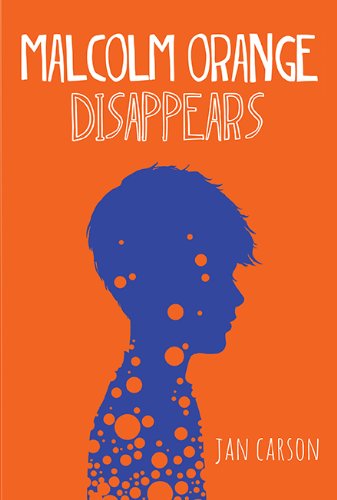
malcom orange

I can’t wait to give the book a read! And if you want to find out more about Jan and her writing you can check out her blog – http://jancarsonwrites.wordpress.com/ or if you want a little taster without having to click too far just read on as Jan Carson talks about…

Influencers

The American novelist, Jonathan Franzen, (in a fantastic essay written in response to the inane questions people ask at literary readings), once claimed, that he’d reached the point in his writing career where the strongest influence upon his work was his own writing. Whilst I understand exactly what Franzen meant and am learning with each fresh writing project that my own quirks, affectations and small obsessions have an enormous impact on my stories, I’m still a relatively young writer, still open to outside influence, still malleable enough to be swayed, just a little, by the last amazing book I’ve read. My first novel, Malcolm Orange Disappears has just been published by Liberties Press and as I make the inevitable, and rather exciting, round of readings and interviews, I’m finding myself repeatedly asked who my literary influences have been. Answering this question is always a treat for it gives me an opportunity to flick through the library in my mind and recall some of the books which have most inspired and challenged me in my journey as a writer. While there are dozens of names and dust jackets which instantly spring to mind I’d like to focus upon three very different writers and the things they’ve taught me over the last twenty or so years.

Without a really good storyline…a novel is just a really long piece of description.

My first literary infatuation was with Agatha Christie. It began in 1988 and is still going strong; last year’s onscreen death of Hercule Poirot reduced me to a blubbering wreck and prompted a rather sombre wake in our living room. As a child I was a reading protégé, chastised for reading too fast and too “carelessly.” By the winter of my ninth year I’d exhausted the local library’s children’s section and was sneaking adult books home, sandwiched between stacks of Nancy Drews and Babysitters’ Clubs. Mercifully, crime fiction struck me as more appealing than the bare-chested men and voluptuous women who adorned the Mills and Boons dominating the back wall of our local library. From Christie I learnt about the importance of plot. Without a really good storyline, a hook sharp enough to catch the most weary of readers, a novel is just a really long piece of description. Even now, some of Christie’s best novels give me chills as the subtle twists and punchy plotlines keep me surprised and captivated by books I’ve read many many times before. There’s more to Agatha Christie than plots, however. Her characters, odd and cantankerous though they often are, are genuinely likeable. Without an interfering Marple or haughty Poirot, I doubt if her work would be enjoying such remarkable longevity. Readers need memorable characters: heroes they can root for and villains capable of inspiring a good, satisfying disgust, nuanced characters like M. Poirot who irritate and fascinate and demand the reader’s attention. Characters and plot have always gone hand in hand in most everything I’ve ever written.
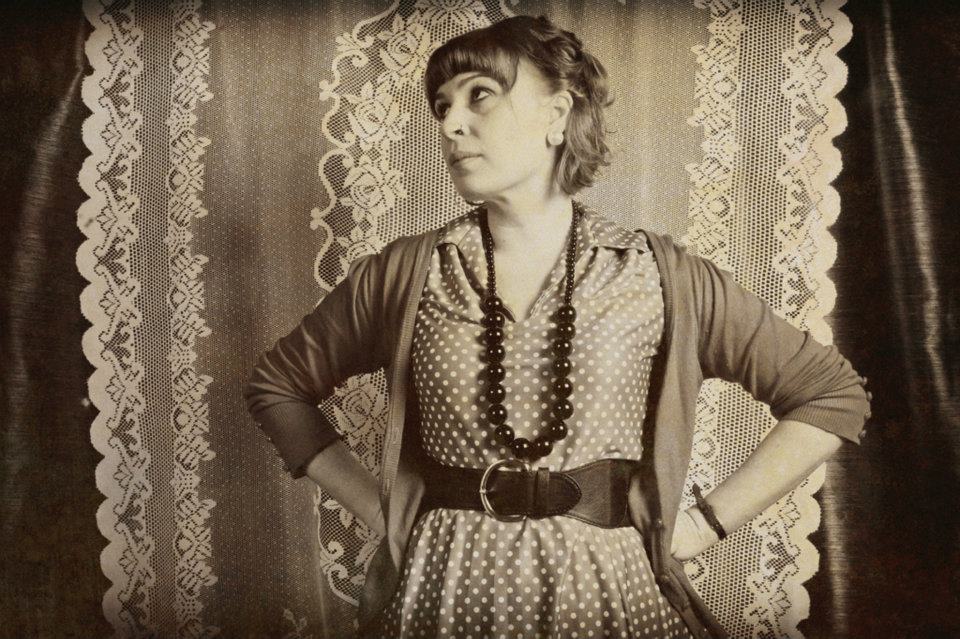
Jan Carson

I cut my writing teeth on Raymond Carver. Just six months into my first fledgling attempts at short stories, a good friend bought me a copy of What We Talk About When We Talk About Love and it had an enormous impact on how I approach writing. After feeling completely inadequate for several weeks, (Carver writes with such cool ease, reading his stories proved a little intimidating for a beginner writer with aspirations), I returned to the stories and began to pick them apart, looking for clues as to why they were so compelling. Carver’s volatile relationship with his editor, Gordon Lish is much documented and there is definitely a sparse and concise use of language which typifies much of Carver’s writing and points to the necessity of wise and ruthless editing. However, it was his dialogue which first grabbed me. His characters are raw and real and incredibly believable. They have rich and often troubled inner lives but Carver is not a flowery or over emotional writer. He uses dialogue masterfully to reveal how his characters are feeling and who they most essentially are and yet this dialogue never once trips into the cinematic. It is often brief, always believable and occasionally confessional. If I could write dialogue with even half the insight which Carver has written dialogue I could retire a happy writer. For now I am learning how to listen to the way people actually speak rather than write the way I want them to speak. Therein lies the difference between decent dialogue and wonderful dialogue.

Brautigan taught me…it was perfectly acceptable to take a metaphor and push it to the absolute limits

Finally there was Richard Brautigan. To be very honest I wish someone had pointed me in the direction of Brautigan a little earlier. I was four years into my writing, hearing things like, “I like your stories but I don’t really know what they are,” when someone gave me a copy of Trout Fishing in America for a plane ride down the West Coast of America. It was as if the lights came on all at once and suddenly. I’ve never been so happy to realise I was not being particularly original in my writing. Brautigan reassured me like no writer before or since. There are parts of his work which are just a little too experimental for me; a little too beat and faddy. However, discovering Brautigan taught me that I was on a path that others had walked before; that it was perfectly acceptable to take a metaphor and push it to the absolute limits of its potential; to view language as a malleable entity; to have fun with my writing. Brautigan offered me a green light to be myself. The Abortion remains one of my favourite novels, Revenge of the Lawn, one of my favourite short story collections. I think I would have shrunk back into my writing years ago if it wasn’t for that battered copy of Trout Fishing and for this I am truly grateful.


Writer’s Bio

Jan Carson is a writer and community arts development officer currently based in Belfast, Northern Ireland. She has a BA in English Literature from Queen’s University Belfast and an MLitt. In Theology and Contemporary Culture from St. Andrew’s University, Scotland. Jan has had short stories published in literary journals on both sides of the Atlantic, has had two of her plays produced for the Belfast stage and is a current recipient of the Arts Council NI’s Artist’s Career Enhancement Bursary. Her first novel, “Malcolm Orange Disappears” will be published by Liberties Press, Dublin on June 2nd 2014.

Interview with a songwriter


Formed in 2001, with 3 albums to date, the current line-up for A Lazarus soul could be described as an Indie super-group.  The rhythm section is made up of  bassist Anton Hegarty (formerly of Future Kings of Spain) and drummer Julie Bienvenu (Drawing Circles/ Time the Revelator), with the energetic Joe Chester on guitar (The Waterboys/ 10 Speed Racer) while lyricist and vocalist Brian Brannigan is the heart and driving force of the act.


For me there is something deeply sincere about the music of A Lazarus Soul. It is not spurred on by ego or pretentiousness but by a love of the craft and a need to give voice to a section of society that is so often misrepresented in the media. Touching lyrics and soulful melodies, the band were described by Zeitgeist as “Truly one of Dublin’s best kept secrets”.
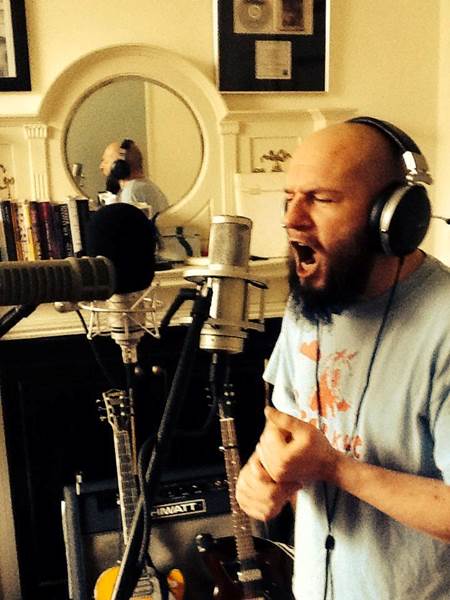
Recently, I was lucky enough to track down the  lead singer of this talented outfit and get him to open up about his musical influences and all things songwriting related…

briany 3Brian Brannigan 


We found comfort here in this graveyard of burnt out cars
We fell asleep each night to a handbrake wheel-spin lullaby

(Graveyard of burnt out cars)


How and why did you become a songwriter?

I was listening to music from a very early age. Apparently I knew all the words to the songs on the radio at 5 years of age and I used to sing down the lane from my house for money. I bought my first 7” in 79 when my brother dragged me from the clutches of parents bringing me to mass and instead  brought me to the Dandelion Market. It was Bright Eyes by Art Garfunkel and this started a weekly tradition of me going to town for vinyl.

However, I only starting writing around 17 years of age. I went for an audition for my first band and when I was leaving they said I also had to write the lyrics. When I protested that I couldn’t write, they said
you have to be better  than the last fella
And that was it for me.


What other artists inspire you?

My first real inspiration were English bands like The Smiths and Joy Division. They had a huge impact on my style of writing. When I started out, Ireland wasn’t exotic enough for me so I used to write about situations or places I really knew nothing about.  I started hanging out in the International bar in the 90’s and Damien Dempsey encouraged me to start looking closer to home for my muse.  I took his advice and became much more focused in my writing. Other Irish artists like Cathal Coughlan and Brian Mooney from Idiots were very inspirational to me also. In recent years, songwriters like Bill Callahan, Mark Linkous & Vic Chesnutt. I would rate the latter as some of the greatest lyricists of our generation.


Tell me about how you go about writing a song

Sometimes I just sing random melodies and record them on my phone. When I get  an idea for lyrics, I go back through the tunes and find one that’s decent. I sometimes build up tunes using a drum machine, keyboards and a sequencer. You always get a great feeling when a decent tune is in it’s infancy and that’s the buzz I’m always chasing when I write. Once I know I’m on to something I go for long walks  to  come up with words. I walked marathons for this latest record.


A street became a row of houses, a home became a building
A neighbourhood lost its appeal, the day that Harry left for England
A silent handshake signaled the end of thirteen years
And what had took a lifetime to secure
Just took a day to disappear

(The day Harry left )


You’ve worked with many other talented musicians and songwriters over the years. Is there any one of these which stand out?

Yes, I’ve been blessed to work with incredibly talented people down through the years and the current line-up of A Lazarus Soul just blow me away. I rarely give any direction on an arrangement and they seem to understand  just what a song needs. Julie has the most unorthodox style of drumming and this leads the tunes into wonderful places. Anton has been the musical foundation for A Lazarus Soul for over a decade now.   Joe Chester is the most talented musician I’ve ever worked with. His production and musical knowledge is extraordinary. He has produced/ played on all the records and his input is invaluable.

joe chester

I notice that place and youth are some of the themes in your work. What other themes inspire your songs?

Social politics are a huge inspiration for writing. I like to think of songwriting in the old tradition of a song being a record of local events, a way of passing down stories from your area, mirroring what it was like to live in a particular time. Similarly I prefer the old tradition of someone doing a party piece or singing impromptu at a house or wedding to the very unnatural setting of a staged performance. Those community performances are  closer to my heart.


I used to play here on these consecrated grounds
When I was younger
I kissed a girl here and whoever would have thought,
That this would be the very spot he would be found

(Star of David)


What advice do you have for anyone thinking of getting into this area?


Leave yourself time to develop and don’t be in any rush to release. Be honest with your writing and make music for the love of it which I think is the best way to connect with people. I find walking alone, the best way to write words. I lost my IPod a couple of years back and wrote an album in a few months. I didn’t realise what a distraction it was and how much it was blocking out ideas. I think it’s important not to force yourself to write either but when you’re in the mood make the most of it.


a laz soul

What are your plans for the future?

I spent the last 2 years writing our new record and the past year recording it. We’re putting some finishes touches to the mixes this week so hopefully we’ll have it out by the end of the summer. We went back to my old secondary school in Finglas to record it which is closing after 50 years on May 31st.  I was asked by the Principle to pen a song and sing it at the closing ceremony for the school. So that will be a proud but sad moment for me.

A Lazarus Soul Discography

Alazarussoulrecord (2001) 

Graveyard of Burnt Out Cars (2007)  

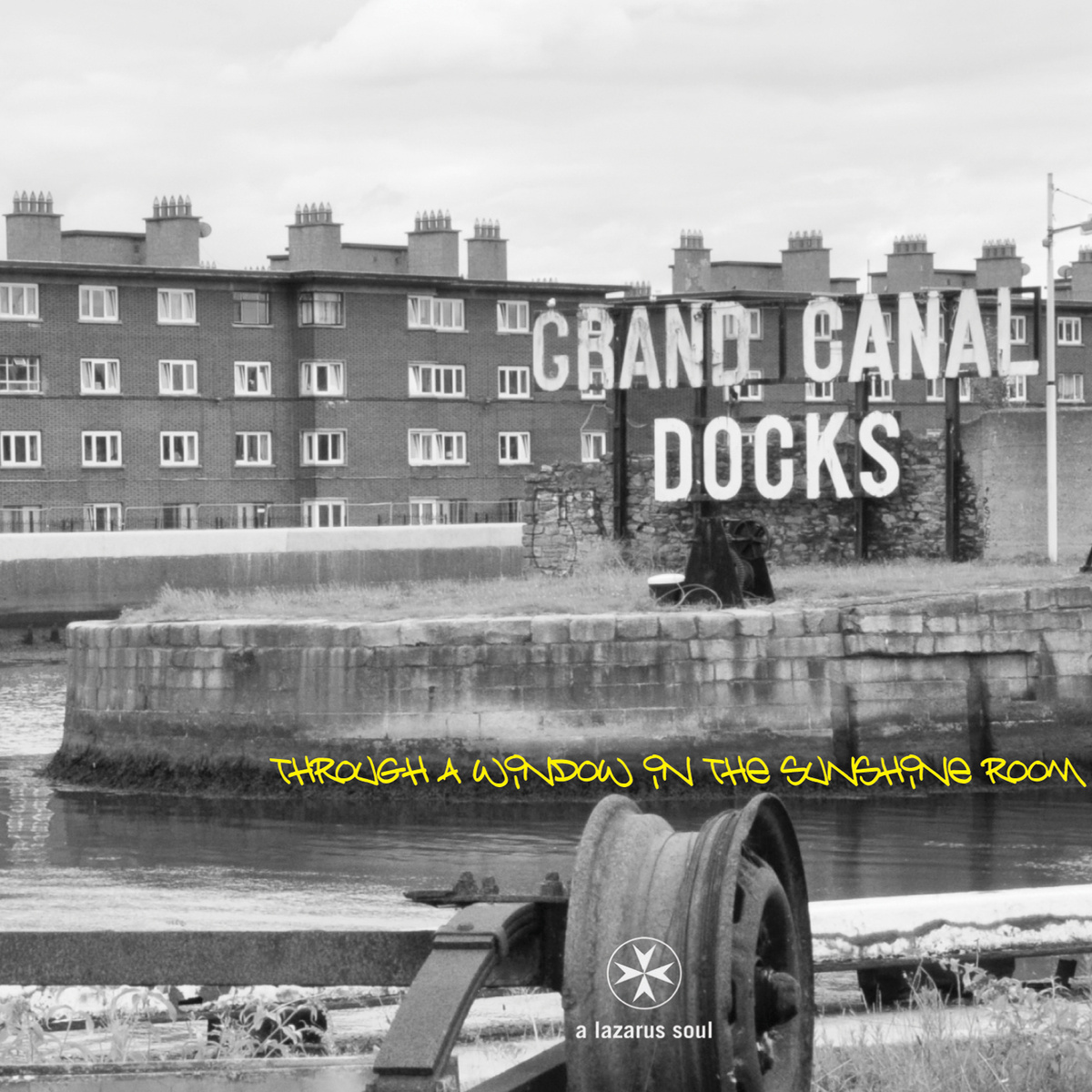
Through the Window of the Sunshine Room (2011)


briant 1

My article from Irish Times from Mon Apr 28th

ispca logo

The ISPCA is running a novel campaign at the moment in an effort to raise awareness about animal welfare, appropriately named My Dog Ate It . A €2 donation will entitle a pupil to one free pass on a piece of their homework (excluding important course work). Interested schools can apply online or contact the ISPCA directly to receive a pack with everything needed to take part. Money raised will help rehabilitate abused and neglected animals in the ISPCA’s care.

At the moment, my wife and I are debating whether to bring an animal into our house. I would like to say that we have plenty of time to come to a decision on the matter, but there are other factors influencing the outcome. You see, my daughter has recently taken a rock as a pet. It’s hard and lumpy, as most rocks are, but it differs slightly in that it goes by the name “Mog”. She showed it to a friend in school, but this classmate doesn’t share my daughter’s belief that rocks can be kept as pets. They have since fallen out over the matter.

It’s not the first time the concept of a pet has come up in my house. Whenever something with fur or scales appears on the television, without fail, one of my daughters will ask, “Can we get one?”

I try to avoid the obvious excuses for not getting a pet, namely the mess and the excessive hair and the smell because, let’s be honest, I don’t want them thinking that these are good enough reasons to get rid of me when they hit their teens.

But I do point out that taking care of a pet requires work, patience and plenty of time.

“Dogs are not just for Christmas,” I said once.

“Emm,” my youngest daughter said, folding her arms and raising an eyebrow. “We’re getting a turkey for Christmas, Daddy. Remember?”

I’m still not sure if she thought we were getting a living turkey that year or whether she believed I was planning to eat a dog for Christmas lunch.

My wife recently commented on how the local rescue centres are always looking for people to adopt animals. I have looked at the ISPCA’s website, and it is easy to see how someone could warm to the idea. There is page after page of photographs of possible adoptees, various breeds, different characters, all abandoned or neglected, and most better able to strike a pose than I.

There are also the benefits of owning a pet to consider, especially for kids. Interaction can help teach compassion, respect and responsibility.

Sometimes they can even inspire confidence. I remember, growing up in Ballymun, there were a few small groups of youths who owned and cared for horses, shaggy old nags that loitered on random green spaces in the town.

“Eat and breathe those animals,” I overheard a neighbour say once. “Sure, they’d be nothing without their horses.”

Back then, I paid little mind to the statement, but now I think about those kids sometimes and I understand what my neighbour was getting at: that these lads would feel they were worth nothing if they didn’t have those horses.

lassobee

Pets of my childhood 
I never had a horse. But I did have a dog that acted like a cat. And my father drove a truck that resembled a tortoise. I don’t think that falls under the category of “pet” but I loved that truck so much I practically used it as a character in my debut novel.

A friend of mine, Alan, had a goldfish. One evening, Alan’s sister approached us, slumped shoulders, a frown and the news that the family fish had just passed away. About an hour later, Alan appeared and gleefully informed everyone that goldfish have “black guts”.

I’m not sure what happened with Alan and the fish in the hour after the animal’s death, and I’m not sure I want to know.

Smell Mullins and the bee
Although the ISPCA is turning the “my dog ate it” excuse into a positive, I still can’t help but be reminded of a lad from my old street whenever I hear it, a lad who was never shy about making up a story. This youth went by the nickname “Smell Mullins”, not because of any aroma-related problems, but because his nose naturally pointed toward the heavens, as if he was always trying to catch some foreign scent.

He was a boy who was constantly in the company of questions, and these questions generally followed the same pattern: (a) What are you doing? (b) Why are you doing it? (c) Can I have a shot when you’re finished?

Smell informed us once how he liked to keep bees as pets, claiming that he would lie in wait for them in the park, a collection of flowers beside him. And when a bee would land close enough, he would lasso it with a piece of thread.

Of course, nobody ever saw him walking around the place with a bee on a miniature lead, so the general consensus was that he was making the whole thing up.

Then, a few weeks ago, I was watching a documentary called Wild China , and in one scene, natives of a forest in China were luring hornets with a dead insect and then placing a tiny noose around the nearest hornet so that it would lead them to its nest.

The similarity between Smell’s story and the actions of these Chinese natives was too much to ignore. And this got me thinking: if Smell was telling the truth about the bees, then what else was he telling the truth about?

He told us once that he saw Mr T picking his nose outside Dunne Stores in the Ilac Centre. And he claimed that he had a trial for Manchester United under-10s.

I can’t help but wonder if a record of Smell Mullins’s dribbling skills is locked away somewhere in the Manchester United vaults. He also told us he was going to be the first person to breakdance on the moon. All I can say is: keep watching the skies.

Daniel Seery is currently a non-pet- owner and author of the novel A Model Partner. Contact the ISPCA on ispca.ie043-3325035 (extension 3), fundraising@ispca.ie

My Top Tips for Writers

At times, some of my personality traits can find their way into the characters I create. These traits can often become exaggerated, skewed even. Tom Stacey is an example of this, the central character in my novel ‘A Model Partner’. With Tom, my natural curiosity of people has transformed into his obsessive and unusual search for the ideal partner. And my self-doubt has transformed into his deep-rooted insecurities. But before anyone gets too excited, I’d just like to point out that unlike Tom, I have never borrowed a neighbour’s bed-sit without asking and I do not hear an imaginary buzzing whenever I feel I am losing control of a situation. Some of Tom’s qualities are completely his own, like his love of research and his fixation on ordered steps. So in honour of Tom’s qualities and bearing in mind his love of lists, here are a number of tips which might be of some use to budding writers out there –


1.         The blank page is not a writer’s greatest enemy

I can think of much greater enemies than a blank page for a writer, a child bouncing a football against the exterior wall of your office, coffee poisoning, working on a chair which is insultingly lacking in lumber support.
Try to think of a blank page as a challenge. Or if you are not competitively driven, think of it as an opportunity.


2.         There is more than one way to write a book.

Good writing is good writing, regardless of how it came about. So plot ahead. Or don’t plot. Write it while lying on your back. Wear a crash helmet when working on the dialogue. It’s your book. Create it whatever way you like and learn what works best for you. Not all writers create in the same way.


3.         Don’t be afraid to break the rules
But importantly, ensure you understand what the rules are first. There are only so many times you can be ‘accidentally brilliant’ before someone begins to get suspicious.


4.         Do not endorse locution that you don’t perfectly tolerate

…sorry, what I meant to say was…

Do not use words you don’t fully understand


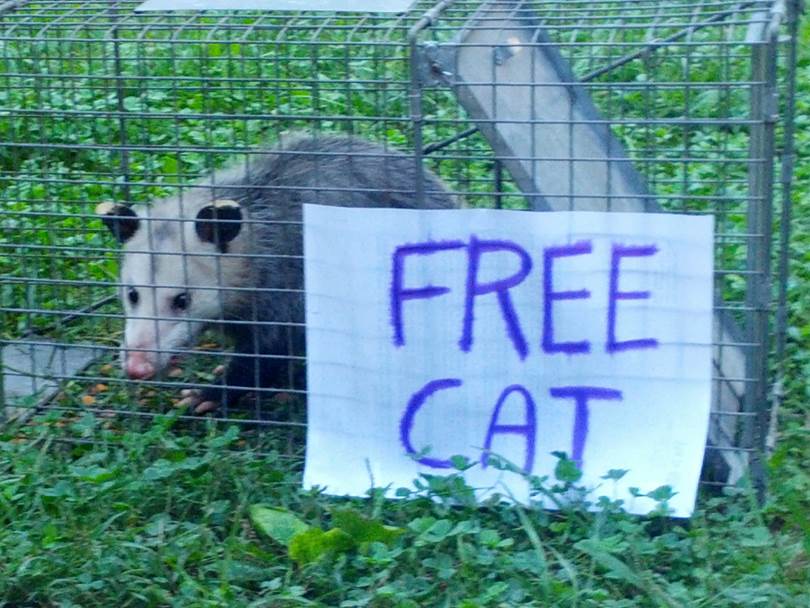
5.         You do NOT need to own a cat to be a writer. This is a fact.

cat

6.         Try to read your work back aloud and listen to the rhythm.
Aim for intricate musical arrangement, not steady dripping tap.


7.         Editing is key to your work.
It is time-consuming and hard work but I have a little rhyme that might help.


Editing might take a lot of time,

And it means reading your work over and over again,

But it will make a lot of…


Actually, there is no rhyme that will help. Just edit your work thoroughly.


8.         Read the best writers in your field


9.         Write as much as you can, whenever and wherever

I can’t speak for all other writers but if I go a couple of days without writing I feel the loss, incomplete in some ways, an artist without a muse, a driver without a car, a chicken nugget without the cardboard filling…


10.       Never end a list with an odd number of points


Bad Advice: 10 writers on the tips that did no good

stingingflybw2

The Stinging Fly have produced an article for their blog based around bad advice for writers. Luckily, I was asked to be one of the contributors.

Here is the short blurb for the article…

A google search for ‘writing tips’ provides 1.9 million results. And you can’t walk down a Twitter-street without someone proffering their #WritingTips (we’re even guilty of it ourselves). But one of the most difficult tasks is learning how to filter the good from the bad, and the useful from the not-quite-so-useful-at-the-moment. So we asked ten authors to share an experience of counsel that isn’t/wasn’t all that constructive. (Bearing in mind that one man’s baguette is another man’s reminder of his gluten intolerance…)

…and if you would like to see the full article including my contribution, just click on the link

http://www.stingingfly.org/bad-advice-10-writers-tips-did-no-good

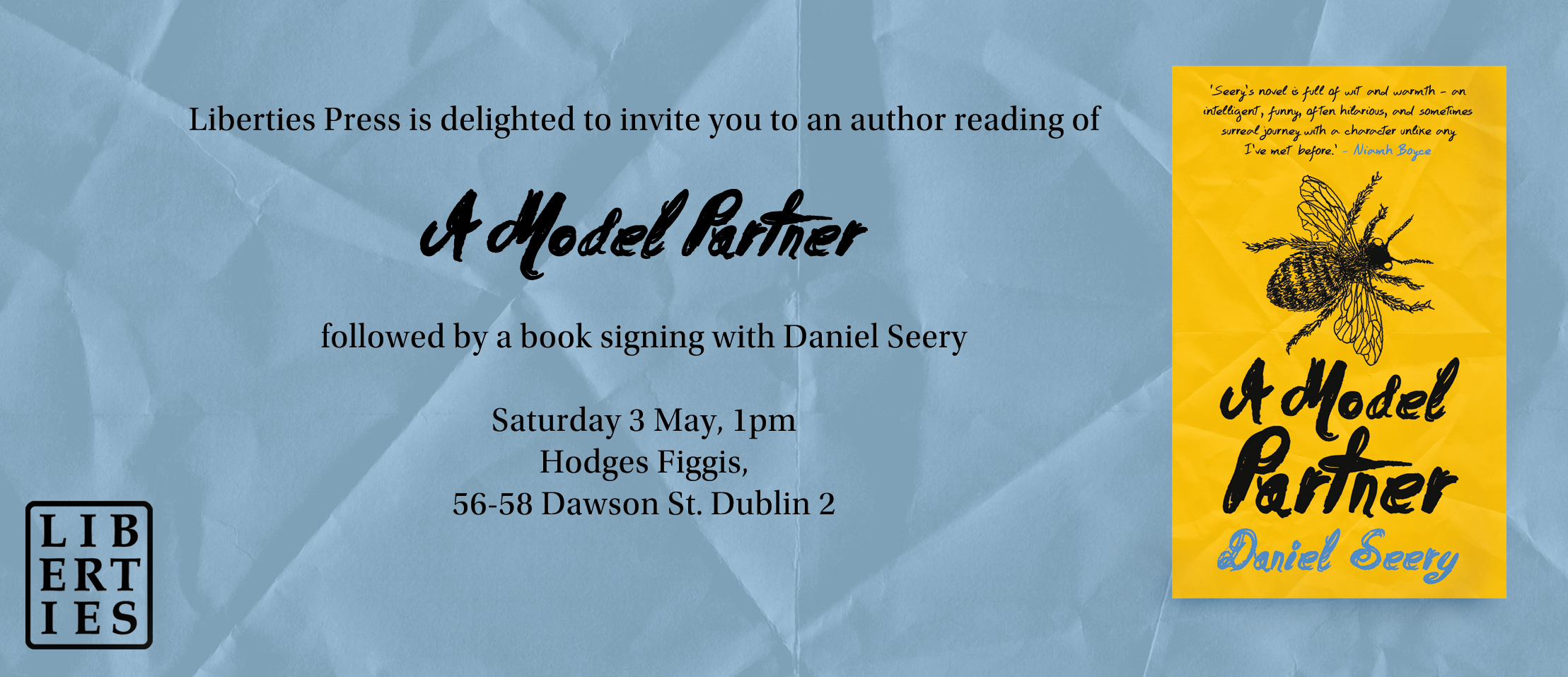
Launch of ‘A Model Partner’

book launch photo2

Thank you to everyone who came to the book launch on Tuesday evening. And thank you for all the kind words from those who couldn’t make it.
We had a full house in the Gutter Bookshop, a brilliant introduction from Colin Barrett, plenty of wine and plenty of smiles!

If you don’t have a copy, it is now available from most bookstores. Or you can order it from the Liberties Press website –

http://www.libertiespress.com/A_Model_Partner_Daniel_Seery_p/9781909718234.htm

Aside

An Interview with Karen Vaughan…

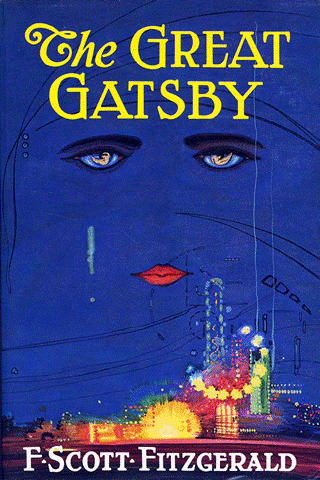
In 1925, an artist by the name of Francis Cugat was commissioned to design the cover of F. Scott Fitzgerald’s ‘The Great Gatsby’ despite the fact that the novel had yet to be completed.  When the author saw the cover, he was so enamoured with it that he told the publisher he had written it into the book. This is the power a cover illustration can have on a book.

Gatsby_1925_jacket

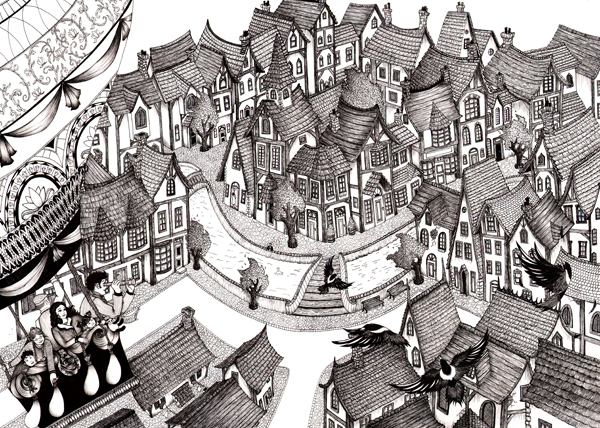
Recently, I’ve been working with a fantastic cover artist by the name of Karen Vaughan.  Karen is an illustrator and designer working with Liberties Press. She has a particular love for pen and ink and examples of her work can be seen on her website –

http://kvaughan.com/

She is an artist to watch out for in the future and luckily I managed to get an interview with her…and here it is…

Karen, when did you first realise you wanted to be an artist?

I’ve loved to draw and paint for as long as I can remember, I know that sounds trite but it’s true. I’ve always enjoyed the process of developing something from just a scrap of an idea to a fully realised piece, be it a drawing, painting, sculpture or piece of jewellery. There was never really a question of me doing anything else; I knew I would end up as an artist of some kind or another.

What art or artist do you most identify with?

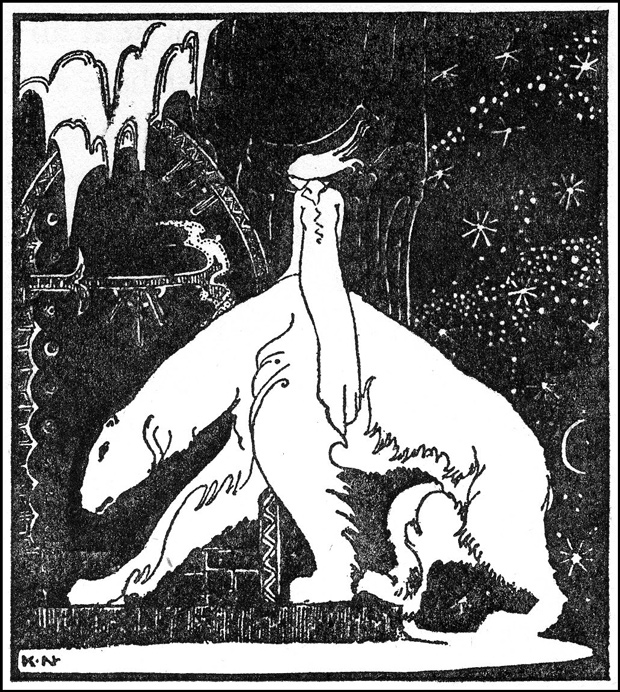
A lot of the artists and illustrators whose work I love are from around the late nineteenth and early twentieth centuries. Kay Nielsen, Harry Clarke, Ivan Bilibin, Edmund Dulac and Arthur Rackham are some of my favourite illustrators. Their work is at once beautiful and bizarre, full of intricate detail and incredible line work. I’m definitely inspired by those artists but I try to approach my work in a slightly more contemporary way. Besides that, I’ve always had a soft spot for Art Nouveau artwork, architecture and decorative art, which I think comes through more so in my illustrations than my design work.

nielsen_eastofthesun21

Kay Rasmus Nielson – East of the Sun

I see that literature, fables and stories, are apparent in your work but is there anything else which inspires your art?

Nature is a huge inspiration for me, I find that organic forms and motifs inevitably find their way into my illustrations and it’s not always a conscious thing.

How did your art lead to designing covers?

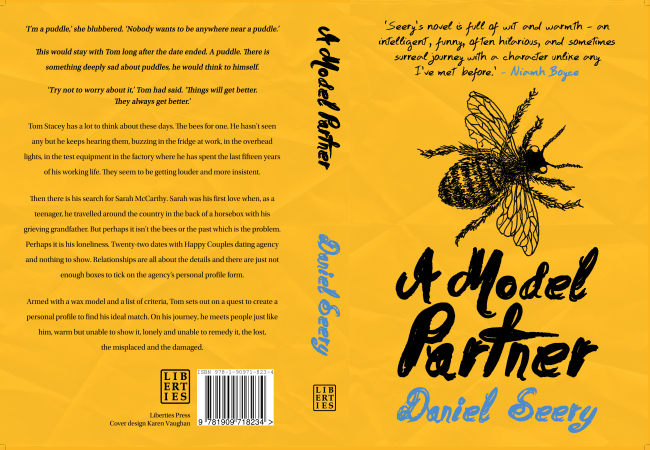
Well, it’s all quite new to be honest. I’ve just recently finished a degree in Illustration at the North Wales School of Art & Design and after graduation I spent a few months exhibiting my work and doing commissions. In November, I applied for an internship at Liberties Press, which is how I ended up designing the cover for A Model Partner!

up in the air

© Karen Vaughan – Up in the Air

(Tough question!) Do you have a favourite book cover?

Oh, I couldn’t pick just one favourite!  However, I can list some designers whose work I love. In no particular order: John Gall, Coralie Bickford-Smith, Ray Fenwick, Carol Devine Carson and Oliver Munday are all wonderful designers.

What advice would you have for anyone who would like to get into this area?

I think the most important thing is to keep consistently producing work and sharing it online. Twitter, Tumblr and Behance are pretty invaluable resources for promoting your work and it’s how I’ve gotten most of my work so far. Making contacts in any industry you plan on getting into is also a good move, it can lead to group projects, exhibitions etc.

What are the plans for the future?

Hopefully more of the same really, I love what I’m doing at the moment so if I can keep building on that I’ll be happy.I did specialise in illustration for children’s books though, so if I got the chance to design and fully illustrate a children’s book, that would be the ideal project for me.

A Model Partner Cover

Irish Times Interview

There is a piece in the Irish Times today from Arminta Wallace, where she interviews 5 debut novelists about their books. And luckily I was asked to be interviewed!

This is a little snippet of my interview…

Why did you chose this particular story? I always wanted to write a piece with a character who was lonely and on the fringes of society. Tom actually came about when I heard some voices mumbling through a wall, and I imagined this man listening in on his neighbours. I wanted to investigate how he ended up being isolated at work and isolated at home. I also wanted him to be a character who was fighting against loneliness and depression in his own peculiar way…

If you can’t get your hands on a newspaper and you want to check it out, the full interview with me and the other authors can be found in the online version of the Times at this link:

http://www.irishtimes.com/culture/books/meet-the-new-wave-of-irish-literary-novelists-1.1656203?page=3

And if you are thinking to yourself – ‘Gosh, I’d like to know a bit more about that book!’  – here is the little old blurb… just for you…

Tom Stacey has moved into his neighbour’s bedsit. He wasn’t asked. It was just that the door was open and his neighbours have gone on holiday. And it is so much bigger than his own bedsit. Plus, he has a lot to think about these days. The bees for one. He hasn’t seen any but he keeps hearing them, buzzing in the fridge at work, in the overhead lights, in the test equipment in the factory where he has spent the last fifteen years of his working life. They seem to be getting louder and more insistent, and they are beginning to affect the way he goes about his business.

Then there is his search for Sarah McCarthy to worry about. Sarah was his first love when, as a teenager, he travelled around the country in the back of a horsebox with his grieving grandfather. But perhaps it is not the bees or the past which is the problem. Perhaps it is his ongoing loneliness. Twenty-two dates with Happy Couples dating agency and nothing to show bar a dent in his bank balance and several complaints about ‘eccentric behaviour’. Relationships are all about the details and there are just not enough boxes to tick in the Agency’s personal profile form.

Armed with a wax model and a list of criteria, Tom sets out on a quest to create a personal profile to find his ideal match. On his journey, he meets people just like him, warm but unable to show it, lonely and unable to remedy it, the lost, the misplaced and the damaged.

‘A Model Partner’ will be available to buy in March 2014

Dreaming of a red Christmas…


‘Twas the night before Christmas, and all through the house, not a creature was stirring, except… the four a**holes coming in the rear in standard two-by-two cover formation.

Ah yes, that famous quote from the popular Christmas film ‘Die Hard’.
Who could forget that magical moment when John Mc Clane wraps a chain around Karl’s neck and hangs him from the rafters? And what says Christmas more than when Marco gets riddled with bullets whilst standing on a table?

Nothing_lasts_forever
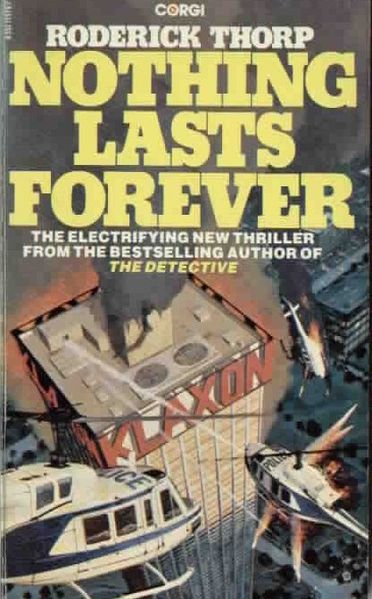
The film was based on the book ‘Nothing Lasts Forever’ by Roderick Throrpe, a sequel to ‘The Detective’ which was made into a film starring Frank Sinatra in 1968. Funnily enough, because it was a sequel to ‘The Detective’, the film company were contractually obliged to ask Sinatra to play the lead role in Die Hard. I can’t help but think it would have turned out to be a completely different film.


Yippie-Ki-Yay Kookie Cat

Besides a brilliant scene which showcases Alan Rickman as a genius actor (yes the one where he, a Londoner, is playing a German pretending to be an American) there is also a strong festive theme running through the film and plenty of blood to kick off our ‘Red Christmas’ theme.

And if you’re thinking to yourself – where the hell is all this going?

Well, to find out, you could follow me as I pass through the seven levels of the Candy Cane forest, through the sea of swirly twirly gum drops, and then through the Lincoln Tunnel……Or you could just read the next paragraph about the poem where the introductory Die Hard Quote stemmed from and to the birth of Santa’s suit…

The famous red suit

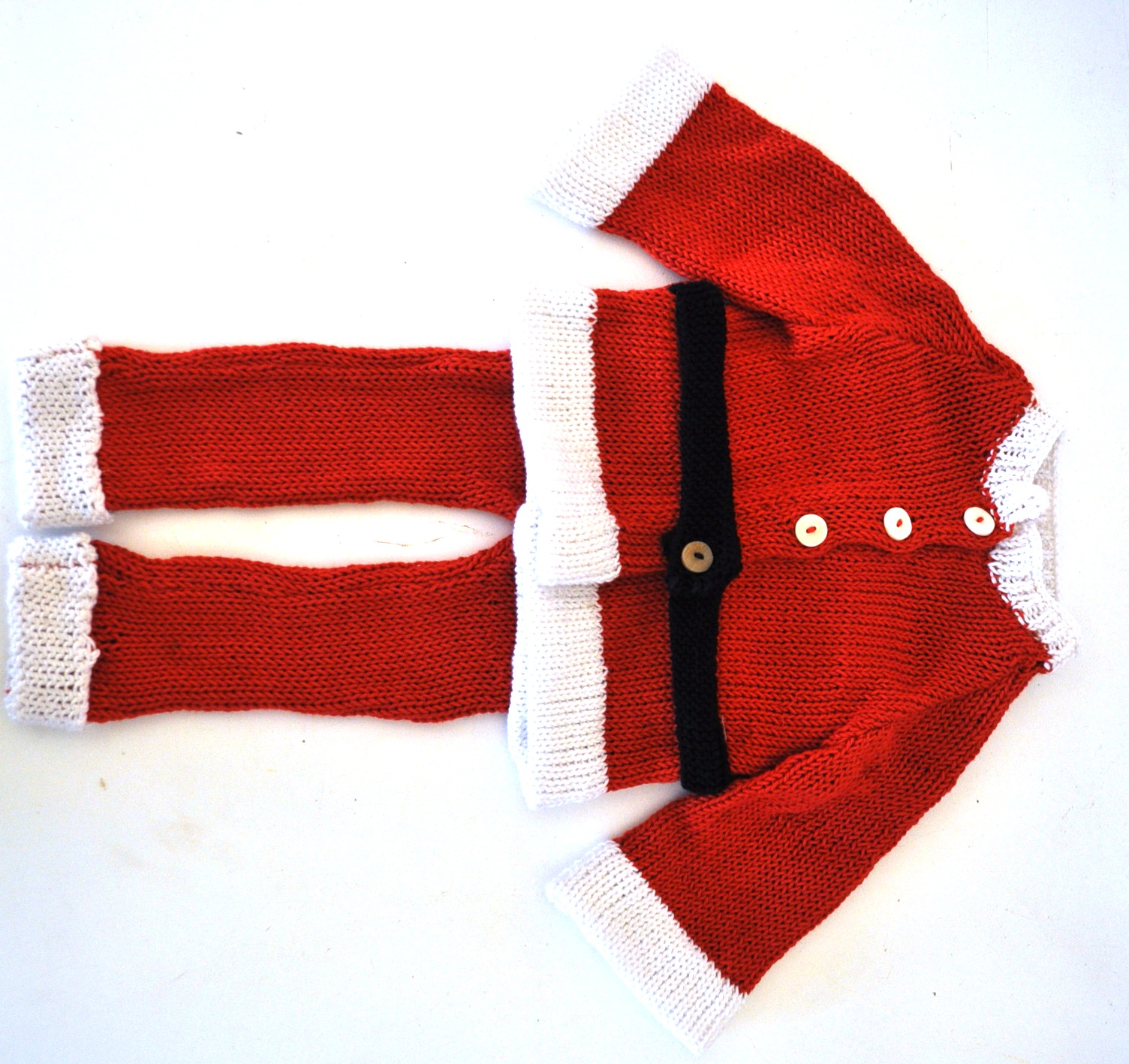
There’s an urban myth that the modern image of Santa Claus was invented by a large multinational company that manufactures a popular drink with a name that sounds a bit like stroke-ebola. But in reality it was born from a group of writers known as the Knickerbockers of New York. These writers wanted to reintroduce Saint Nicholas to early nineteenth century New York in an effort to negate the growing problems within society. Part of this group was Washington Irving, the author of Sleepy Hollow. He wrote plenty of moral tales and in one particular Christmas story he described Santa as being a large man in a red suit.

santa outfit

Another writer, Clement Clarke Moore, was inspired by Irving’s depiction of Santa and he used it in his poem ‘Twas the Night Before Christmas’, also known as ‘A Visit From St. Nicholas’. But Moore never meant for the poem to go public. In fact, it was a close friend of Moore’s who actually sent the poem to a newspaper, where it was published anonymously. It quickly became a huge hit. But, feeling that the poem was beneath his literary talents, Moore denied writing it for nearly 15 years.

It’s a Wonderfully Red Life

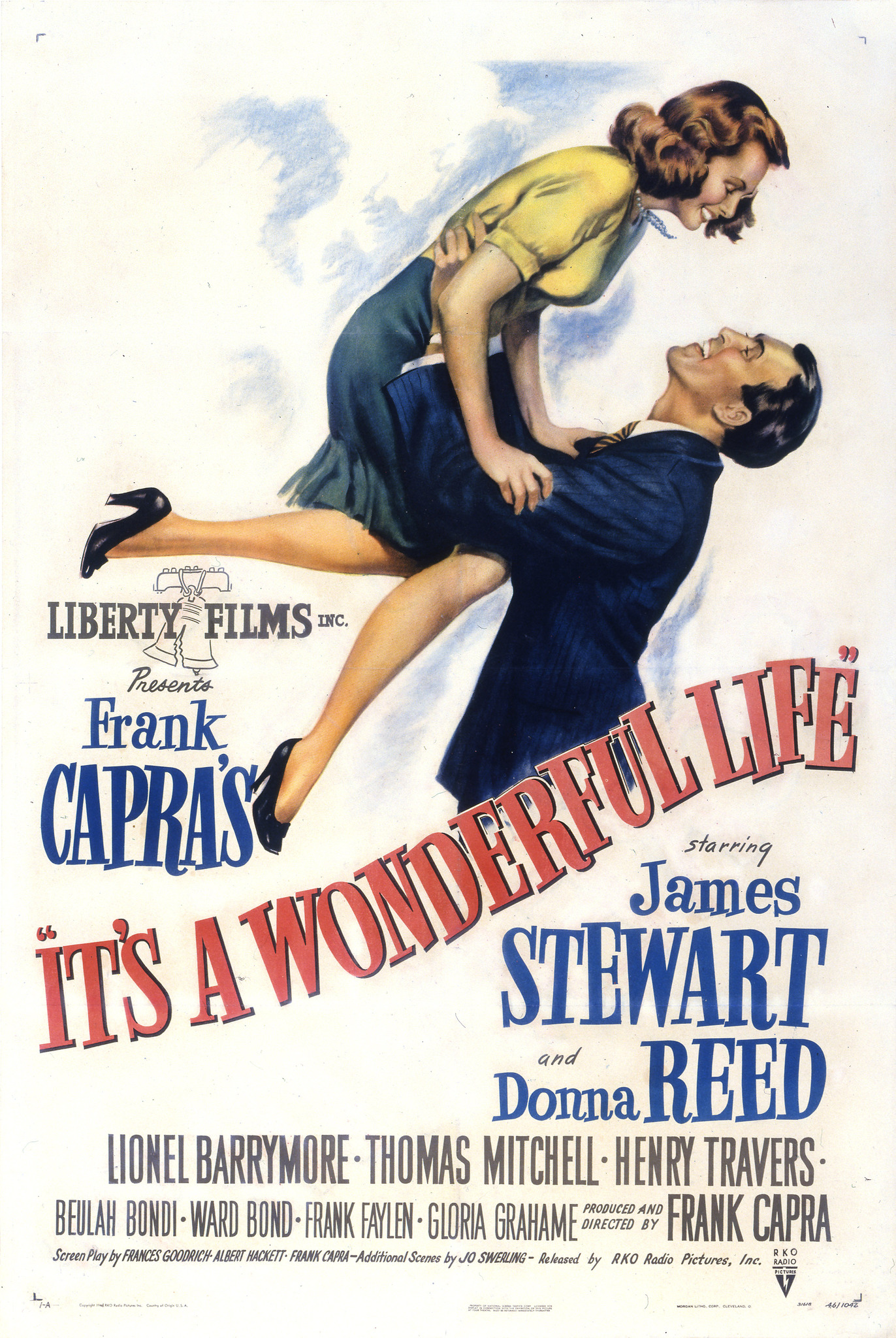
The very popular Christmas film ‘It’s a wonderful Life’ was based on a short story by Philip Van Doren Stern called ‘The Greatest Gift’. Like so many writers, after failing to find an interested publisher he published it himself and sent the story to 200 friends as a 21 page Christmas card. Although this may have raised some issues for his friends in regard to keeping the card upright on the mantelpiece, it also meant that it fell into the hands of RKO Pictures. They subsequently bought the rights to the story and made the film.

Loved by millions now, it was not so popular with the FBI at the time who disapproved of the unflattering portrayal of big-city bankers (poor little mites). They stated that Lionel Barrymore’s character as a dislikable, scrooge type person in the film was an attempt to discredit bankers. According to the FBI, this was a common trick used by communists.

P22321.jpg

Although accused of being a ‘red film’, it did revolutionise special effects for Christmas films forever. Up to then cornflakes were painted white and used as snow for Christmas films. This meant that dialogue would have to be dubbed in after snowy scenes because of the constant crunching as actors stepped on breakfast cereal.

A less bothersome snow was invented for ‘It’s a Wonderful Life’, made up of water, soap and a fire-fighting chemical called Foamite. It was pumped through a wind machine and instantly became a much more popular snow effect for films, much to the utter joy and relief of cornflakes all across the globe.

Rudolph the Rednose Reindeer

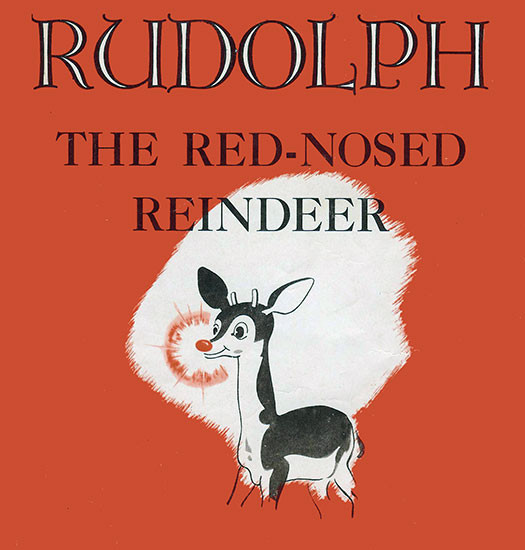
Rudolph, the most famous of Santa’s reindeer came to life as part of an ad campaign. He first appeared in a in a story written in 1939 by ad copywriter Robert L. May. It was published in a Montgomery Ward department store booklet and distributed to children who were visiting the store. The rights to the story were owned by Montgomery Ward so May received no royalties after it became a success. It was only when May was almost bankrupt that he regained the rights to the piece. Rudolph soon became an even bigger success when May and his brother-in-law Johnny Marks set the story to music.

Recently Norwegian scientists have hypothesized that Rudolph’s red nose is probably the result of a parasitic infection of his respiratory system.
Oh, how festive!

rudolph

Little Red Rooster

Some Bolivians celebrate Misa del Gallo or “Mass of the Rooster” on Christmas Eve. People sometimes bring roosters to midnight mass to symbolise the belief that a rooster was the first animal to announce the birth of Jesus. While, in Poland, spiders or spider webs are common Christmas tree decorations because according to legend, a spider wove a blanket for Baby Jesus. In fact, Polish people consider spiders to be symbols of goodness and prosperity at Christmas.

But please, and I can’t stress this enough, please, please, please remember that a spider is not just for Christmas.

Little Red Riding Hood

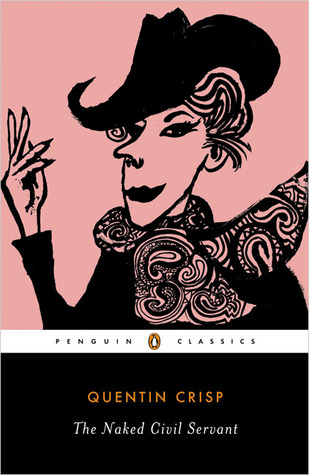
Quentin Crisp, an English actor and writer who starred in a number of films including Red Ribbons and Little Red Riding hood has strong ties with Christmas. Not only was he born on Christmas day in 1908 but he was also the first person to give the alternative speech on Channel 4 in 1993.

the naked civil servant

In his early twenties Crisp decided to devote his life to “making the existence of homosexuality abundantly clear to the world’s aborigines”. He cross-dressed and acted intensely effeminate in public, often at great risk to himself. In London he worked as a prostitute, book illustrator and finally as a paid nude model in government-supported art schools. A dramatization of his autobiography ‘The Naked Civil Servant’ stared John Hurt who he claimed was his ‘representative here on Earth’.

A Child as Red as Blood and as White as Snow

From a writer born on Christmas day to a writer who died on Christmas day, 1851 – Wilhelm Grimm. He was the younger of the Brothers Grimm, the famous collectors and publishers of many fairy tales. It was four days before Christmas in 1812 when they presented the first volume of Grimm’s Fairy Tales which included Little Red Cap, Snow White & Rose Red, as well as many others. Ever since, despite the fact that the original tales were often cruel, violent and bloody, editions of their tales have been very popular around Christmas time.
I’ve plucked the following extract from The Juniper Tree, a story which begins with the image of vibrant red blood on white snow…

“My mother she killed me,
My father he ate me,
My sister, little Marlinchen,
Gathered together all my bones,
Tied them in a silken handkerchief,
Laid them beneath the juniper-tree,
Kywitt, kywitt, what a beautiful bird am I!”

So with that cheery passage, I’d just like to say, for those who celebrate it

Happy Christmas

And for those who don’t

Happy Holidays

And for those on the fence

Happy4th century assigned birthday of Jesus Christ & birthday of Isaac Newton but also the time of the more ancient polytheistic festivals that occurred near the southern solsticeDay’.

Enjoy!!